
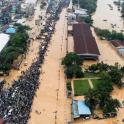
The floods that hit the city-province of Kinshasa in 2024 left indelible marks, including loss of life, considerable property damage, and major socio-economic disruption.
Faced with this disaster, Éric Kabungulu, an expert in environmental risk management, calls on the government to take urgent and preventive measures to prevent this scenario from recurring in 2025 and beyond.
A reminder of the disastrous consequences of 2024
In 2024, floods caused several failures on all levels, as shown in the table below:
– Destabilization of families: Thousands of people displaced, homes destroyed.
– Public health at risk: Proliferation of waterborne diseases (cholera, malaria) due to stagnant water.
– Paralyzed economy: Agricultural losses, impassable roads, commercial activities at a standstill.
– Degraded environment: Accelerated erosion, pollution of waterways by waste.
"These disasters are not inevitable, but the result of a lack of preparation and adequate infrastructure," emphasizes Mr. Kabungulu.
To prevent a repeat of these tragedies, the expert urges authorities to strengthen early warning systems by installing modern weather stations and raising community awareness through local media.
He also suggests that the Congolese government improve waste and rainwater management through regular cleaning of gutters and rivers (e.g., Ndjili, Makelele).
He also believes that banning unplanned construction in flood-prone areas, rehabilitating drainage networks (such as the "Kin Bopeto" project), and investing in sustainable infrastructure could also help prevent damage. The Responsibility of the Population
Mr. Kabungulu suggests that reforestation campaigns to combat erosion and training residents in prevention techniques (e.g., raising houses) be considered.
In conclusion, he claims that it is time to act to save Kinshasa from the repeated material and human damage caused by each rain.
"The time for talk is over. If action is not taken now, Kinshasa will pay a heavy price again during the next rainy season," concludes Mr. Kabungulu.
Prevention costs less than reconstruction. The government, NGOs, and citizens must join forces to protect the Congolese capital.
Jules Ninda
Matin infos / MCP, mediacongo.net via IMCongo.com


